

By LDS Global Adventures · 2026 · 8 min read
Picture this: You’re standing on a 500-year-old cobblestone street, looking at towering glass skyscrapers that seem to touch the clouds, while massive cargo ships glide through one of humanity’s greatest engineering marvels just kilometers away. This isn’t a movie set – this is Panama City, where three different worlds collide in the most spectacular way possible.
As someone who’s been guiding visitors through this incredible capital for years, I can tell you that Panama City isn’t just another stop on your Central American journey – it’s a complete sensory overload that will redefine how you think about modern Latin America. But here’s the thing: most tourists get it completely wrong.

Why You Need a Panama City Tour Guide in 2026
Let me be brutally honest with you. Panama City has grown exponentially in the past few years, and navigating it solo in 2026 is like trying to solve a puzzle blindfolded. The city now sprawls across multiple districts, traffic patterns have completely changed, and new attractions seem to pop up monthly.
• Population: 1.9 million (metro area)
• Annual visitors: 2.8 million
• Average temperature: 81°F (27°C)
• Best months to visit: December-April
• Time needed for highlights: 4-6 hours
I’ve watched countless visitors waste half their day stuck in traffic trying to get from Casco Viejo to the Panama Canal, or miss the golden hour lighting at the Causeway because they didn’t know when to go. That’s where having a local Panama City tour guide becomes invaluable – we know the shortcuts, the timing, and most importantly, the stories behind what you’re seeing.
The Four Must-See Districts (And What Everyone Gets Wrong About Them)
Every Panama City tour guide will tell you about the same four areas, but here’s what they won’t tell you:
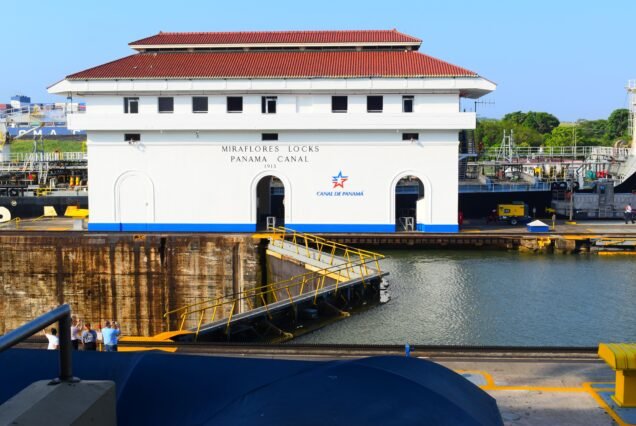
Miraflores Locks – The Engineering Marvel
Yes, it’s incredible to watch ships transit the canal, but here’s the insider secret: the best viewing times are between 8-10 AM and 2-4 PM. Most tour groups arrive at noon when there’s literally nothing happening. The visitor center is world-class, but skip the overpriced restaurant and grab empanadas from the local vendors outside – they’re half the price and twice as good.
Casco Viejo – The UNESCO World Heritage District
This 500-year-old quarter is absolutely stunning, but it’s also a study in contrasts that can be jarring if you’re unprepared. Million-dollar restored colonial mansions sit next to buildings that look ready to collapse (and some actually are). The gentrification is happening fast – restaurants that didn’t exist last year are now charging New York prices.
What your Panama City tour guide might not mention: stick to the main plazas and restored streets after dark. The atmospheric narrow alleys that look so romantic during the day can be sketchy once the sun goes down.
The Modern Skyline – Banking Capital Transformation
The gleaming towers of the banking district are impressive, but here’s what’s really fascinating: this area was literally built on land reclaimed from the sea. Those stunning skyscrapers you’ll photograph are engineering marvels in their own right, built to withstand both earthquakes and hurricanes.
The Causeway (Amador) – Where Locals Actually Go
This is where you’ll see real Panama City life. The causeway connects four small islands and offers the best skyline views, especially at sunset. But here’s the thing nobody tells you: it gets incredibly windy, especially from December to March. Bring a light jacket even if it’s 85°F in the city.
Panama City Tour Options: What Actually Makes Sense in 2026
After guiding hundreds of visitors, here’s my honest breakdown of tour options:
| Tour Type | Duration | Price | Best For |
|---|---|---|---|
| City Tour Standard | 4 hours | $100 | First-time visitors, cruise passengers |
| City Tour XL | 6 hours | $130 | Photography enthusiasts, history buffs |
| Self-guided | Full day | $40-60 | Budget travelers, repeat visitors |
Here’s my honest take: if it’s your first time in Panama City, don’t go self-guided. The city is too complex, and you’ll waste too much time being confused. Our 4-hour city tour hits all the highlights efficiently, and our 4.9 Google rating comes from years of perfecting the route and timing.
Practical Tips Your Panama City Tour Guide Should Tell You (But Might Not)
• Bring small bills – many vendors don’t accept $20s or $50s
• Download offline maps – cell service can be spotty in Casco Viejo
• Wear comfortable walking shoes with good grip – those colonial cobblestones are slippery
• Start early (8 AM) or late (2 PM) to avoid the worst crowds
• Bring sunscreen AND a light rain jacket (weather changes fast)
• Keep copies of your passport – originals stay in the hotel
What to Eat (And What to Skip)
The food scene in Panama City has exploded, but tourist areas are hit-or-miss. In Casco Viejo, avoid the restaurants right on the main plazas – they’re beautiful but overpriced and underwhelming. Instead, ask your guide to show you where locals eat. A good Panama City tour guide will know the family-run spots that serve incredible food at reasonable prices.
Transportation Reality Check
Uber exists but isn’t always reliable. The new Metro system is clean and efficient but doesn’t reach all tourist areas. Taxis are everywhere but negotiate the price before getting in – meters are rare. This is another reason why guided tours make sense: we handle all the logistics.
The Hidden Costs Nobody Talks About
Let me give you some real talk about Panama City expenses in 2026:
- Miraflores Locks entrance: $17.50 per adult (yes, it’s worth it)
- Parking in Casco Viejo: $3-5 per hour (if you can find it)
- Tourist restaurants: $25-40 per person for lunch
- Bottled water: $2-3 in tourist areas, $0.50 at local shops
- Souvenirs: Negotiate everything – starting prices are often 3x what locals pay
When you factor in all these costs, plus transportation and the stress of navigating everything yourself, a guided tour starts looking like excellent value.
When NOT to Take a Panama City Tour
I’ll be honest – guided tours aren’t for everyone. Skip the tour if:
- You’re staying more than 4 days and want to explore slowly
- You’re fluent in Spanish and comfortable navigating Latin American cities
- You’re on an extremely tight budget and don’t mind missing some key insights
- You’re returning for the second or third time
But for most first-time visitors, especially those with limited time, a good Panama City tour is the difference between a good trip and an unforgettable one.
Weather and Best Times to Visit in 2026
• Dry Season: December-April (best for tours)
• Rainy Season: May-November (afternoon showers)
• Hottest months: March-April
• Coolest months: December-January
• Hurricane risk: Extremely low year-round
The thing about Panama City weather is that it’s actually quite predictable. During dry season, you’ll have beautiful sunny mornings and warm afternoons. Rainy season doesn’t mean constant rain – it means brief, intense downpours usually in the late afternoon. A good Panama City tour guide will adjust the itinerary based on weather patterns.
Photography Tips for Your Panama City Tour
Panama City is incredibly photogenic, but timing and positioning matter:
- Best light at Miraflores: Late afternoon when ships create silhouettes
- Casco Viejo magic hour: 30 minutes before sunset for golden colonial buildings
- Skyline shots: From the Causeway at blue hour (just after sunset)
- Street photography: Early morning in Casco Viejo when locals are starting their day
Most guided tours are timed to hit these sweet spots, which is something you’d struggle to coordinate on your own.
Ready to Explore Panama City?
After 8 years of guiding visitors through Panama City, I can tell you that this incredible capital deserves more than just a rushed visit. Whether you choose our comprehensive 4-hour tour or the extended 6-hour experience, you’ll discover why Panama City has become one of Latin America’s most exciting destinations.
⭐ 4.9/5 Google Rating | Expert Bilingual Guides | Small Group Experience
LDS Global Adventures – Your trusted Panama City tour guide since 2015